
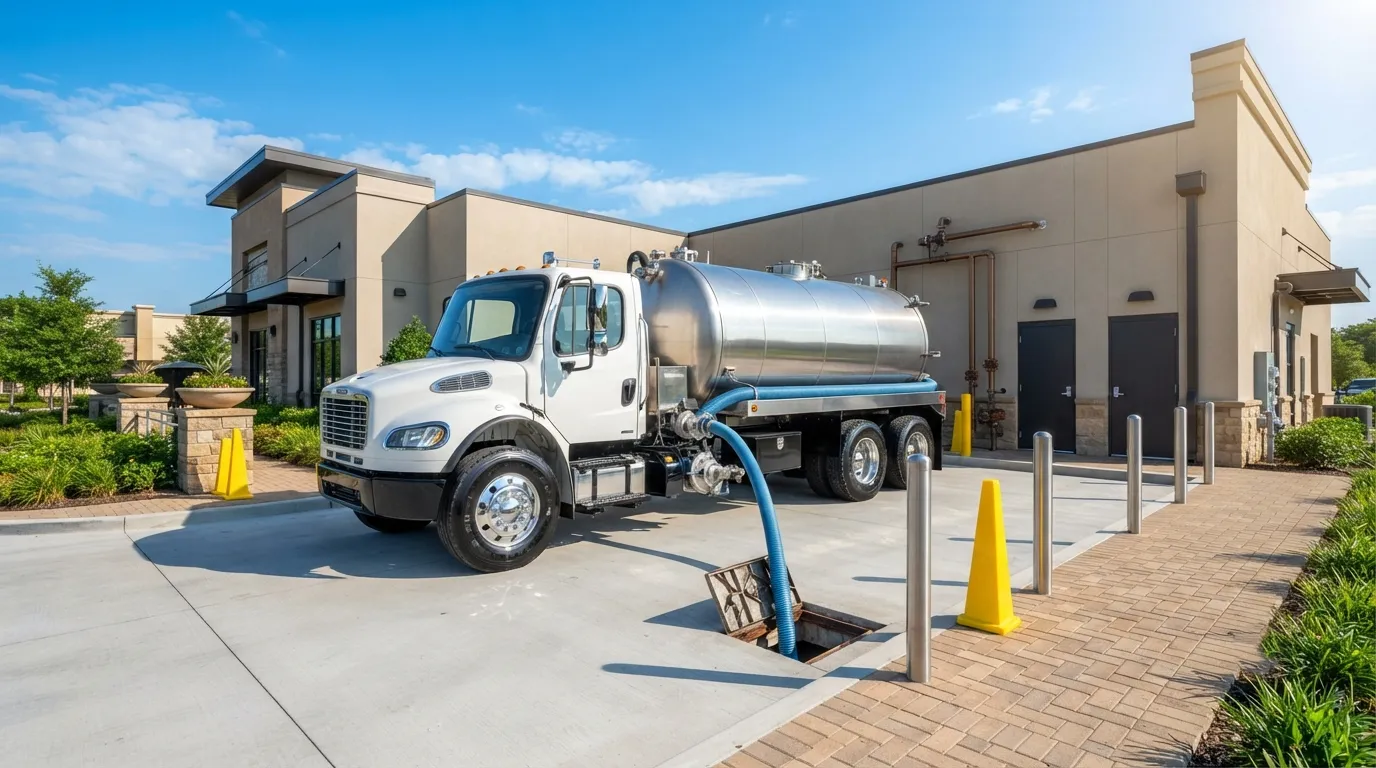
How do I know when my grease trap needs pumping?
The 25 percent rule is the real answer: when fats, oils, grease and solids reach a quarter of the liquid depth, pump it. That is a measured spec, not a guess, and San Mateo Porta Pros checks depth on every visit instead of eyeballing it. Kitchens that skip measurement tend to overshoot, and an overflowing interceptor backs up into the kitchen drain, which shuts down service faster than any inspection ever could. If you run a restaurant, food truck commissary, or catering hall in San Mateo, ask us to set a testing interval instead of a fixed date, the same way we help event clients plan portable restroom rental counts ahead of time. Slow drains, sewer smell near the floor drain, or grease sheen in the trap are all signs you waited too long, much like the septic tank warning signs homeowners are told to watch for. We coordinate pickups around your service hours so pumping does not collide with your lunch rush. For sites also renting portable restroom trailers or standard portable toilets for a remodel, we can bundle the grease trap visit with the same truck run.
What does commercial grease trap pumping cost?
Cost depends on trap size, access, and how often you need us back. Because grease traps are not in our published price bands, we quote each commercial account after seeing the trap, same as we do for septic pumping service and holding tank rental jobs. What we can tell you: a small under-sink interceptor is a different job than a 1,000-gallon exterior tank feeding a full commercial kitchen, and pricing reflects that gap. Ask about a standing service agreement if you are a repeat account; recurring routes usually cost less per visit than one-off emergency calls, similar to how a monthly porta potty rental beats paying day rates. If you are budgeting a larger renovation that also needs a roll-off dumpster rental or a temporary fence rental around the work zone, request a combined quote and we will scope everything in one visit. Comparing notes with septic tank pumping cost pages, or even a general porta potty rental cost breakdown, can help set expectations, even though grease traps and septic tanks are priced separately.
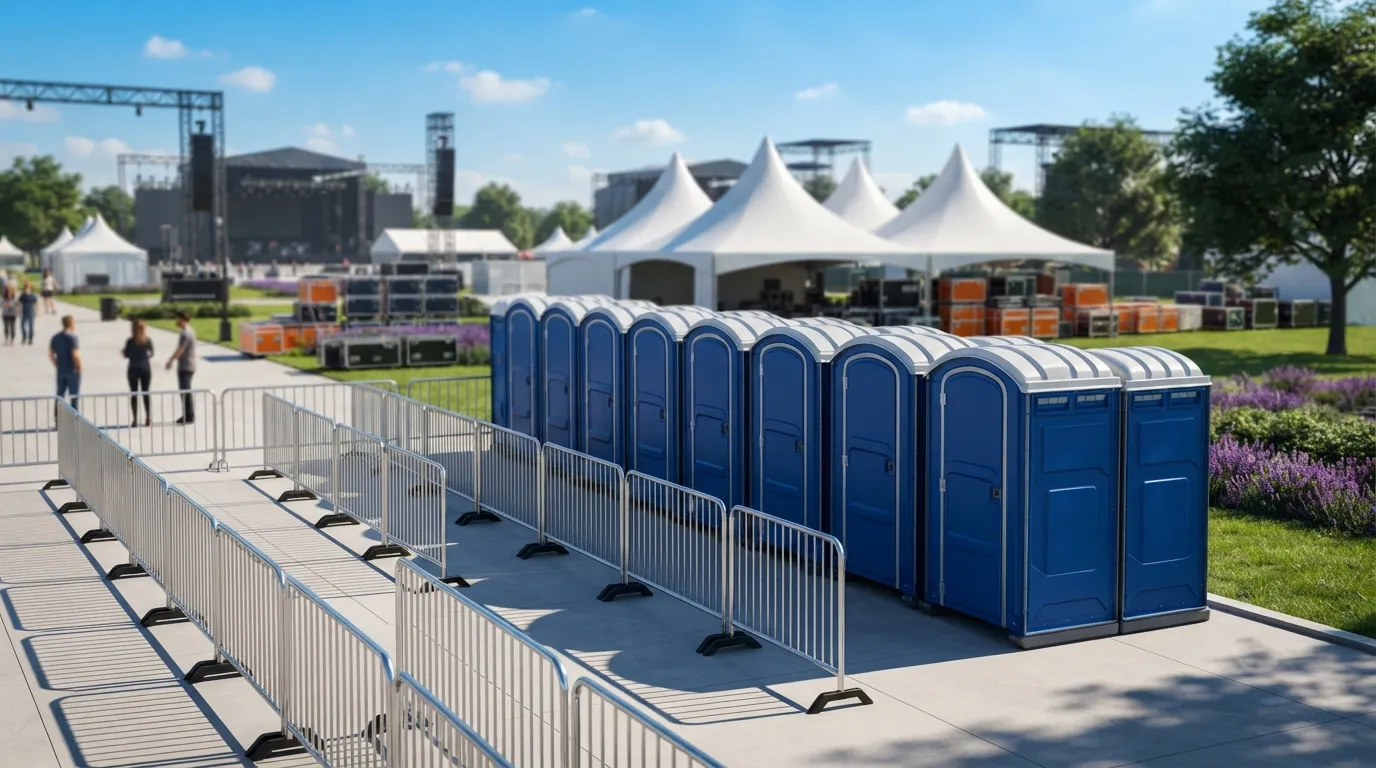
Do you offer emergency grease trap pumping near me?
Yes. A backed-up interceptor does not wait for a scheduled route, so San Mateo Porta Pros runs emergency grease trap pumping across San Mateo and into nearby service areas. We have crews positioned to reach Foster City, 4.7 miles east, and Belmont, 5.3 miles south, within the same working day when a trap floods a kitchen line. Burlingame sits 5.0 miles northwest and falls on the same emergency route. A restaurant with a flooded floor drain during dinner service needs a truck now, not next Tuesday, and that is the call we prioritize, the same urgency we bring to disaster relief sanitation calls. If your event or job site also needs fast turnaround on other equipment, our emergency porta potty rental page covers same-day placement for toilets, and our emergency septic service page covers tank failures on the residential side. Keep our number saved if you manage multiple kitchens; a known caller moves faster through dispatch than a first-time cold call at 9pm, and our contact page lists the fastest way to reach us.

What is the difference between a grease trap and a septic tank?
A grease trap catches fats, oils and solids from kitchen wastewater before it reaches the sewer line, while a residential septic tank handles all household wastewater and is typically pumped every 3 to 5 years depending on tank size and household size. They are pumped on completely different schedules and by different rules; see how often to pump a septic tank for the residential side, or septic tank cleaning for what a full service visit covers.
Do I need a permit for grease trap pumping in San Mateo?
Permit and disposal manifest rules vary by facility type, and we have not verified a specific San Mateo ordinance for this page, so confirm requirements with the city before your first pump. We handle documentation on our end and can point you toward dumpster permit requirements or porta potty permit requirements if your renovation touches multiple permit questions at once.
Can grease trap pumping happen during business hours?
Yes, most commercial pumps happen without closing the kitchen. We typically work through a side door or exterior access point, similar to how we schedule around active job sites for construction site services or a home renovation porta potty drop-off, and coordinate timing with your manager in advance.
How often does a commercial kitchen need grease trap service?
Most full-service kitchens land on a 4 to 8 week interval, driven by trap size and how much fried and greasy food moves through the line. High-volume kitchens sometimes need biweekly service; low-volume operations can stretch it, but always by measured depth, not a fixed date.
What happens to the grease after pumping?
Grease and solids get transported to a licensed disposal or recycling facility. This keeps you compliant with local wastewater discharge rules and out of a health inspector's file for improper disposal.
Can I combine grease trap pumping with other rental services?
Yes. San Mateo restaurants running a kitchen remodel often need us for storage container rental, a roll-off dumpster rental, and portable restrooms at the same time, and our request a quote form covers all of it in one submission.

Next step
Get a delivery date
Tell us the address, the dates and the headcount. We size the order and confirm the route.