
How Do Porta Potties Work?
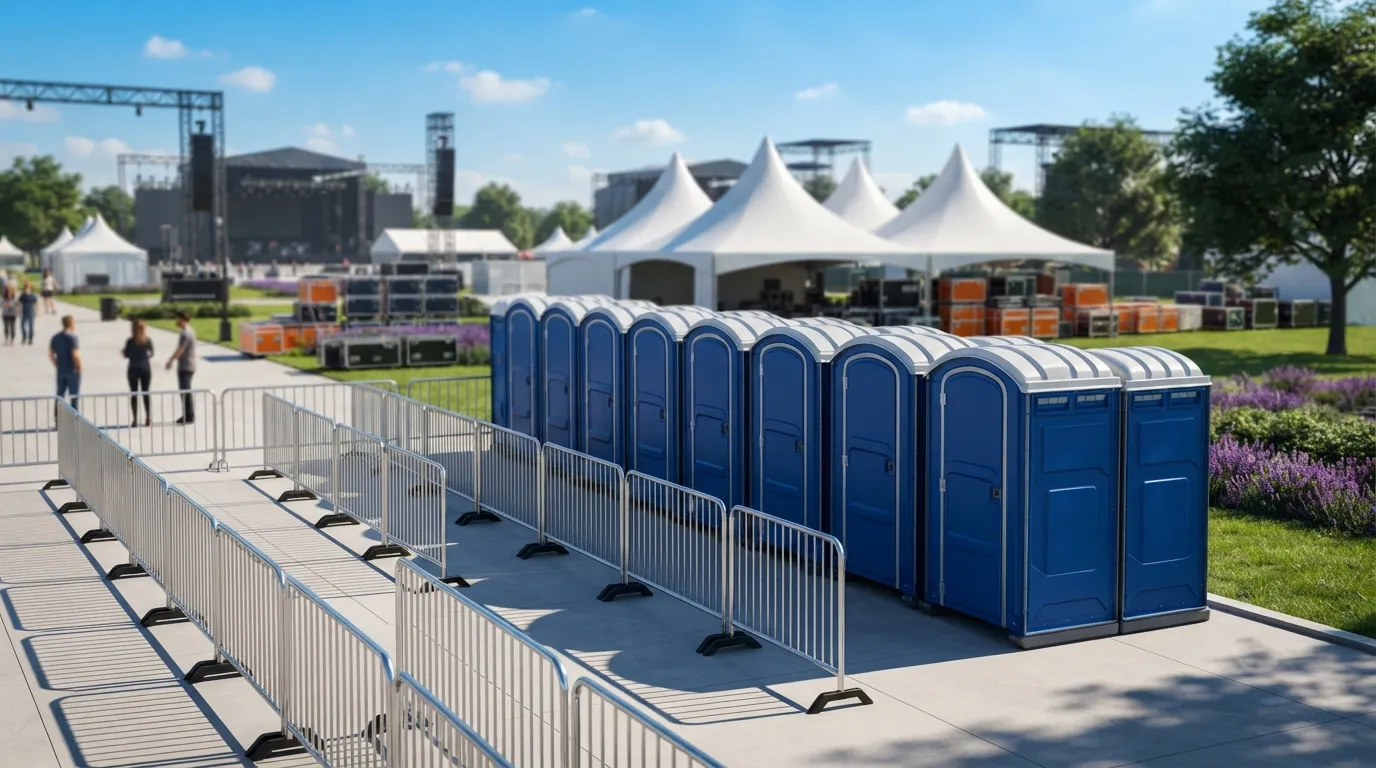
The unit is simple by design. A standard unit measures about 44 by 48 inches on the ground and stands roughly 92 inches tall, so it fits tight jobsite corners without blocking a walkway. Waste drops into the holding tank, and a blue chemical mix, the same "portable toilet chemicals near me" people search for before an event, breaks down solids and knocks back odor between services. There's no flush, no water tank feeding it. That's the tradeoff for a unit you can drop anywhere in San Mateo without running a water line. ANSI/PSAI Z4.3, the industry service standard for portable sanitation, sets one visit per week for up to 10 users over a 40 hour week as the baseline cleaning interval, which is why route trucks show up on a set day. If you're stacking units for a crew, our standard porta potty rental page breaks down sizing, and the how many porta potties do I need guide walks through headcount math.
How Does a Flushable Porta Potty Work?
A flushable unit adds a small fresh-water tank and a foot pump or hand pump that pushes a rinse of water into the bowl after use, dropping waste into the same sealed holding tank below. It feels closer to a real bathroom because it is, minus the sewer line. These units, what most people mean by deluxe flushable porta potty options, run heavier and need a bit more service attention since the tank fills faster with added rinse water. Weddings and corporate events in San Mateo lean on these when guests expect something nicer than a bare-bones unit. For a fully plumbed option with sinks and mirrors, a restroom trailer rental is the step up, and the luxury restroom trailer line covers upscale events like a wedding at a venue near Foster City, 4.7 miles east of San Mateo. Either way, the tank still needs pumping on schedule, same as a standard unit.
How Does a Portable Sink Work?
A portable sink runs on a fresh-water reservoir, usually foot-pumped or hand-pumped, that pushes water through a spout while gray water drains into a separate holding tank underneath. No hookup to a building line required. This matters on construction sites because 29 CFR 1910.141(d)(2) requires washing facilities stocked with soap and towels or a hand-drying device, and hand sanitizer alone does not satisfy that standard. OSHA 1926.51(f)(1) specifically requires washing facilities where crews are applying paints, coatings, herbicides or insecticides, so a framing crew painting trim on a San Mateo remodel needs a working sink, not just a sanitizer stand. Our handwashing station rental page covers unit options, and the portable sink rental page has sizing details for larger crews. If you're unsure what your site is required to have on hand, the handwashing requirements guide lays out the difference between general sanitation and contaminant-specific washing.
Do Camping Porta Potties Work the Same Way?
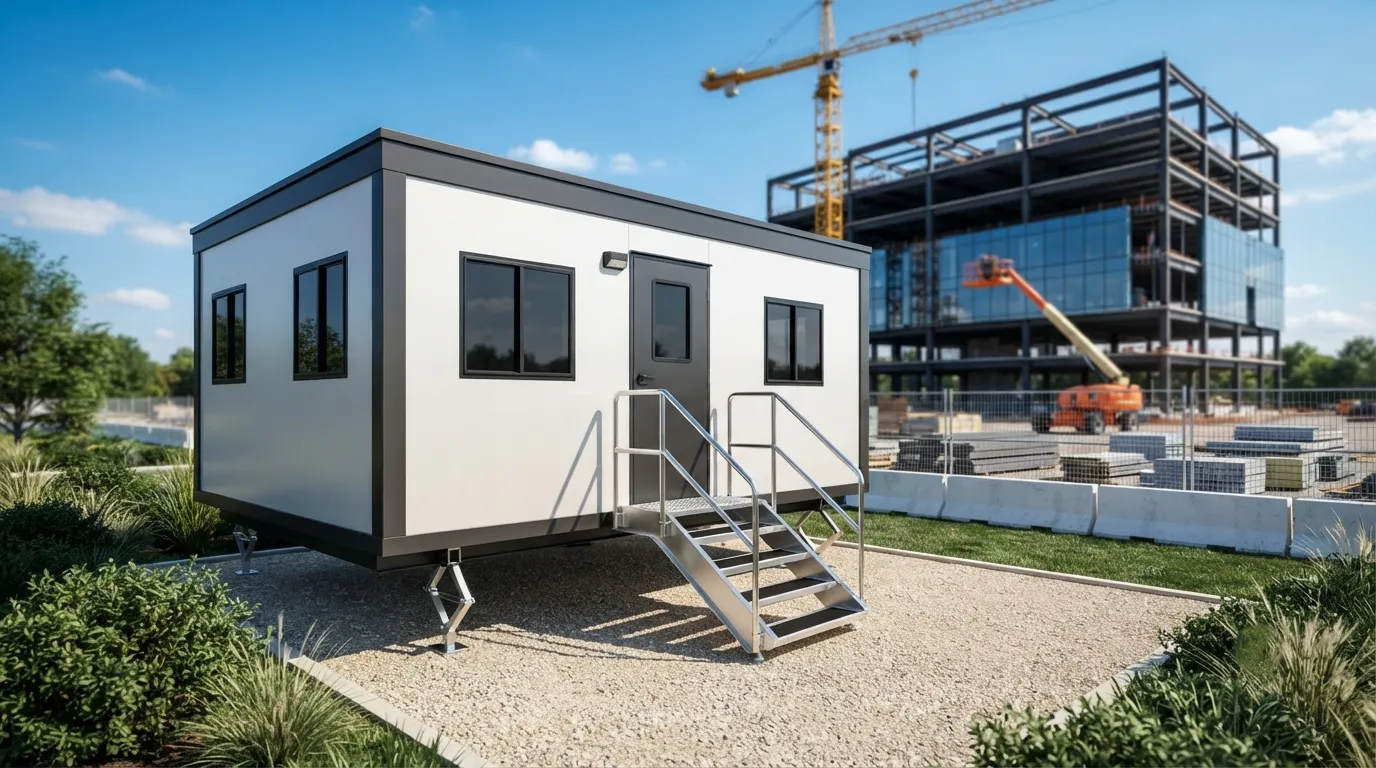
Camping units work on the same tank-and-chemical principle, just smaller and often self-contained in one carry case for tents or RVs. They use the same deodorizing chemistry as a jobsite unit, just at a fraction of the tank size, since they're built for one or two people over a weekend, not a 20-person crew. For group camping or a multi-day outdoor event near San Mateo, a rented standard unit is usually more practical than a string of small camping toilets, since it needs less frequent attention. The camping porta potty page covers rental sizing for group sites and RV parks. Placement matters here too: ADA Standards section 302.1 requires stable, firm, slip-resistant ground surfaces, which is worth checking before you set a unit on soft turf or gravel. Our porta potty placement guide covers ground prep and clearance so a delivery truck can actually get the unit where you need it.
What Does a Construction Crew Actually Use On Site?
| Item | Duration | Typical Price |
|---|---|---|
| Standard unit | Day | $150 |
| Standard unit | Week | $200 |
| Standard unit | Month | $200 |
| ADA unit | Week | $185 |
| Delivery fee | Week | $100 |
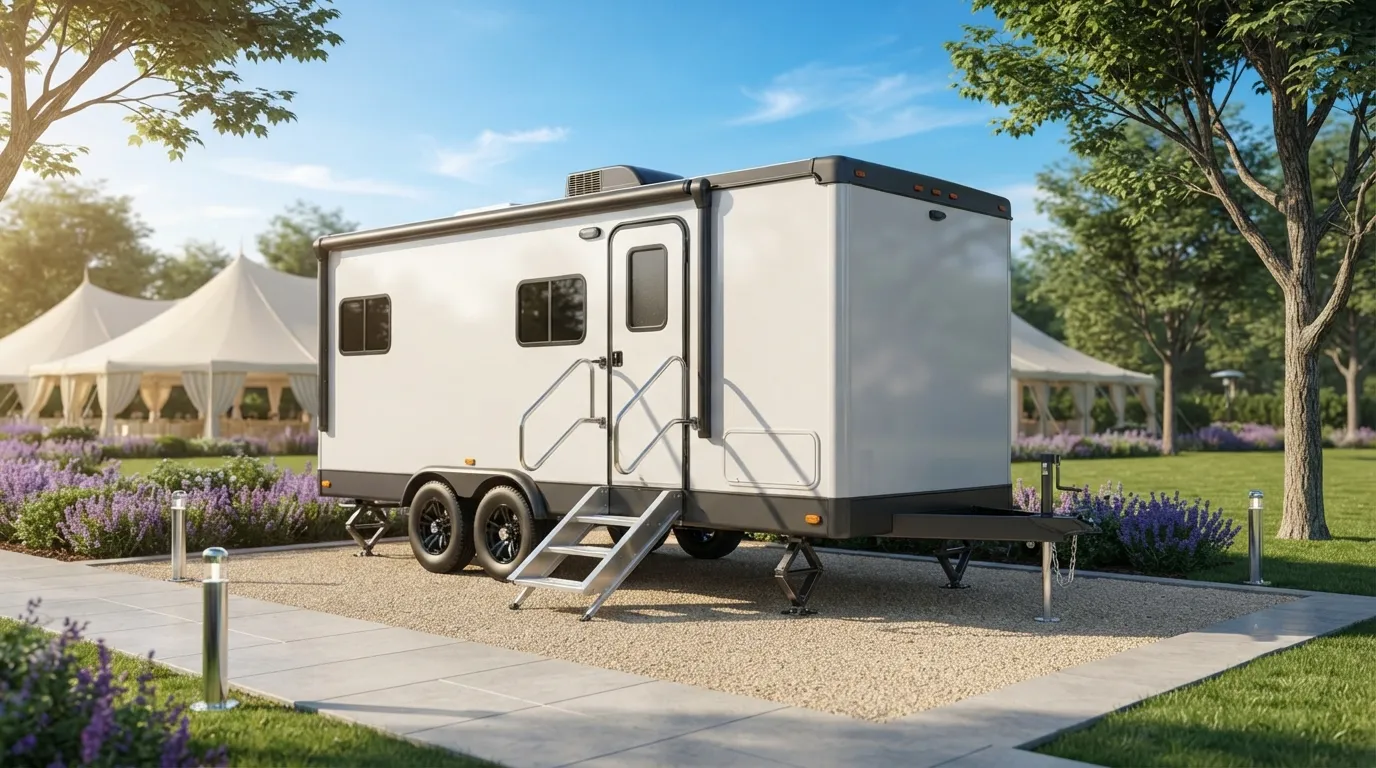
A construction worker running to a porta-potty between tasks needs the unit close, serviced, and stocked, not just present. OSHA 1926.51(c) sets toilet counts by crew size: one facility for 20 workers or fewer, then one toilet seat and one urinal per 40 workers as headcount climbs past that, up to a 1-per-50 ratio at 200 or more. ADA Standards section 213.2 requires at least 5 percent of clustered single-user units to be accessible, and never fewer than one, which is why most multi-unit jobsites in San Mateo pair a run of standard units with at least one ADA accessible porta potty. For pricing across durations, the porta potty rental cost and porta potty rental per day pages break it down further, and monthly porta potty rental covers longer builds. Full OSHA detail lives on the OSHA portable toilet requirements page.
How often do porta potties get cleaned?
Weekly is the baseline under ANSI/PSAI Z4.3 for up to 10 users over a 40 hour week. Busier events or larger crews need more frequent visits. Our how often are porta potties cleaned page covers scheduling by crew size and event length.
Do porta potties smell?
They can, mostly from heat, low chemical levels, or a tank nearing capacity. Regular service and adequate unit count for headcount keep odor down. The do porta potties smell page covers causes and fixes in more detail.
Can I rent just one unit for a weekend event?
Yes. A standard unit runs in the $125 to $400 weekend range depending on type, and San Mateo Porta Pros delivers single units for small gatherings same as full jobsite orders. Check the event restroom rental page for event-specific options.
What is a septic tank cleaning chemical, and does my rental unit need it?
It's the same deodorizing treatment used in the holding tank, breaking down solids and cutting odor between services. Rental units come pre-treated and get redosed at each service stop, so you don't manage chemicals yourself.
Where does the waste go after pumping?
The service truck vacuums the tank and hauls waste to a licensed disposal facility on its route. This is separate from residential septic work; see septic pumping service for tank-specific pumping schedules and the how often to pump a septic tank guide for household intervals.
Next step
Get a delivery date
Tell us the address, the dates and the headcount. We size the order and confirm the route.