
How many units do I need?
Start with the crowd, not a guess. OSHA 1926.51(c) sets the construction ratio at 1 toilet for 20 workers or fewer, then 1 toilet seat and 1 urinal per 40 workers once you pass that mark. For events, our sizing guide walks through headcount math in detail, and it pairs well with the OSHA portable toilet requirements page if this is a jobsite. Duration matters too: a weekend wedding and a six-month build need different counts, because service frequency changes the math. ANSI/PSAI Z4.3 sets the baseline service interval at once a week for up to 10 users over a 40 hour week, so a bigger crew or a longer day between visits means more units, not more visits. If you are running a farm crew, farm and agricultural restrooms covers the field sanitation angle. Choose between a standard porta potty rental, a deluxe flushable porta potty, or a full restroom trailer rental once headcount is set.
What size and clearance does delivery need?
A standard unit runs about 44 by 48 inches on the ground and stands 92 inches tall, so plan a flat pad at least that size with a couple feet to spare for the door swing. If you are also renting a roll-off dumpster rental for the same job, the truck needs about 60 feet of straight clearance behind it to set the box down, and that same rule applies to restroom trailer drops. Check overhead lines and low branches before delivery day. San Mateo lots vary block to block, so walk the site first. If the unit needs to move once construction wraps, ask about restaging costs on the porta potty placement guide. Renters near Foster City, 4.7 miles east, sometimes split delivery runs with San Mateo jobs on the same truck route, which can trim the delivery fee. Confirm ground stability too. ADA Standards section 302.1 requires stable, firm, slip-resistant surfaces, which matters for any accessible unit on your list.
Do I need an ADA-accessible unit?
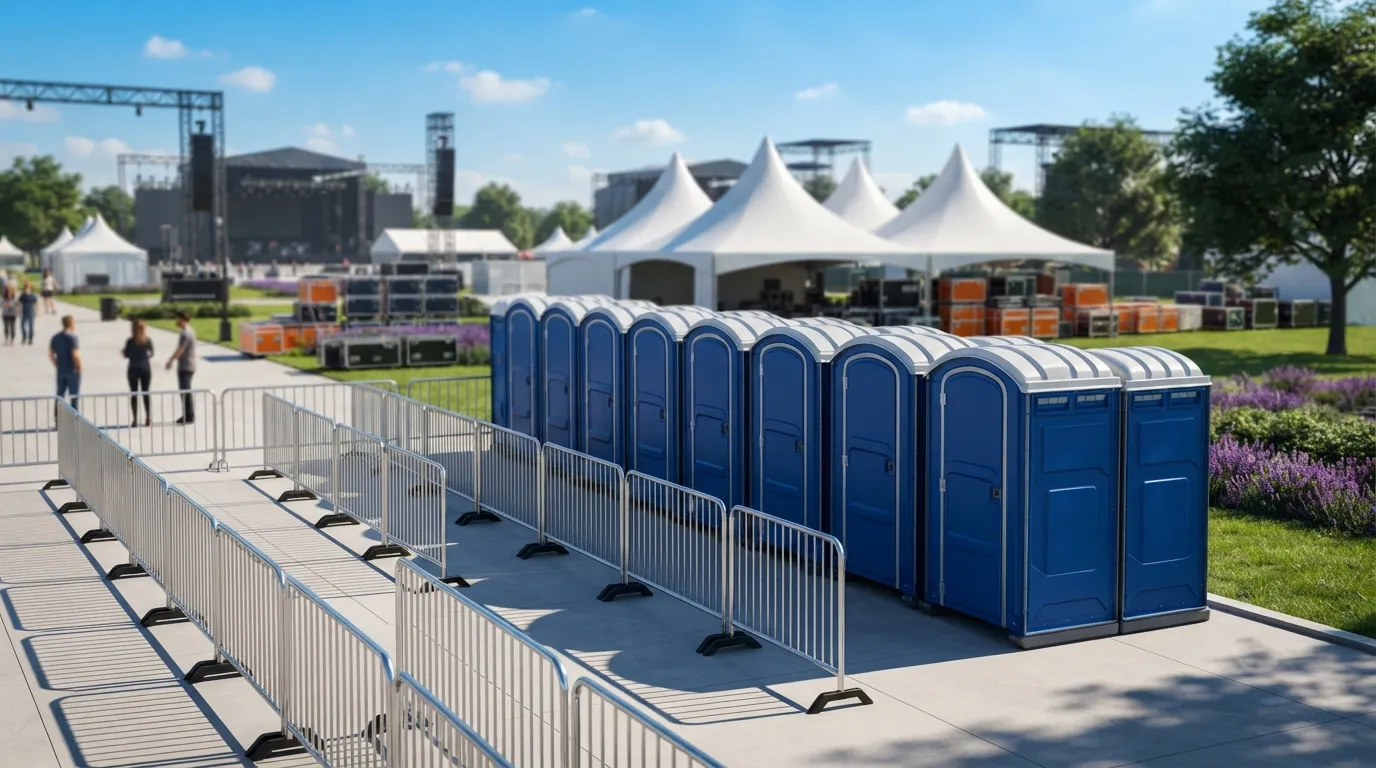
Yes, if you are clustering standard units for a public event or jobsite. ADA Standards section 213.2 requires at least 5 percent of clustered single-user units to be accessible, and never fewer than one. An ADA accessible porta potty needs a 60 inch turning circle inside per ADA Standards section 304.3.1, a 32 inch clear door opening under section 404.2.3, and a 36 inch clear path to reach it per section 403.5.1. Reach ranges matter too: ADA Standards section 308.2.1 caps a forward reach at 48 inches high and 15 inches low, so grab bars and dispensers need the right placement. Door hardware has to work with one hand and no more than 5 pounds of force, per section 309.4. If your event pulls from Burlingame, 5.0 miles northwest, or Belmont, 5.3 miles south, budget one accessible unit per cluster regardless of total headcount. Check the ADA restroom requirements page before finalizing your order.
What else belongs on the checklist?
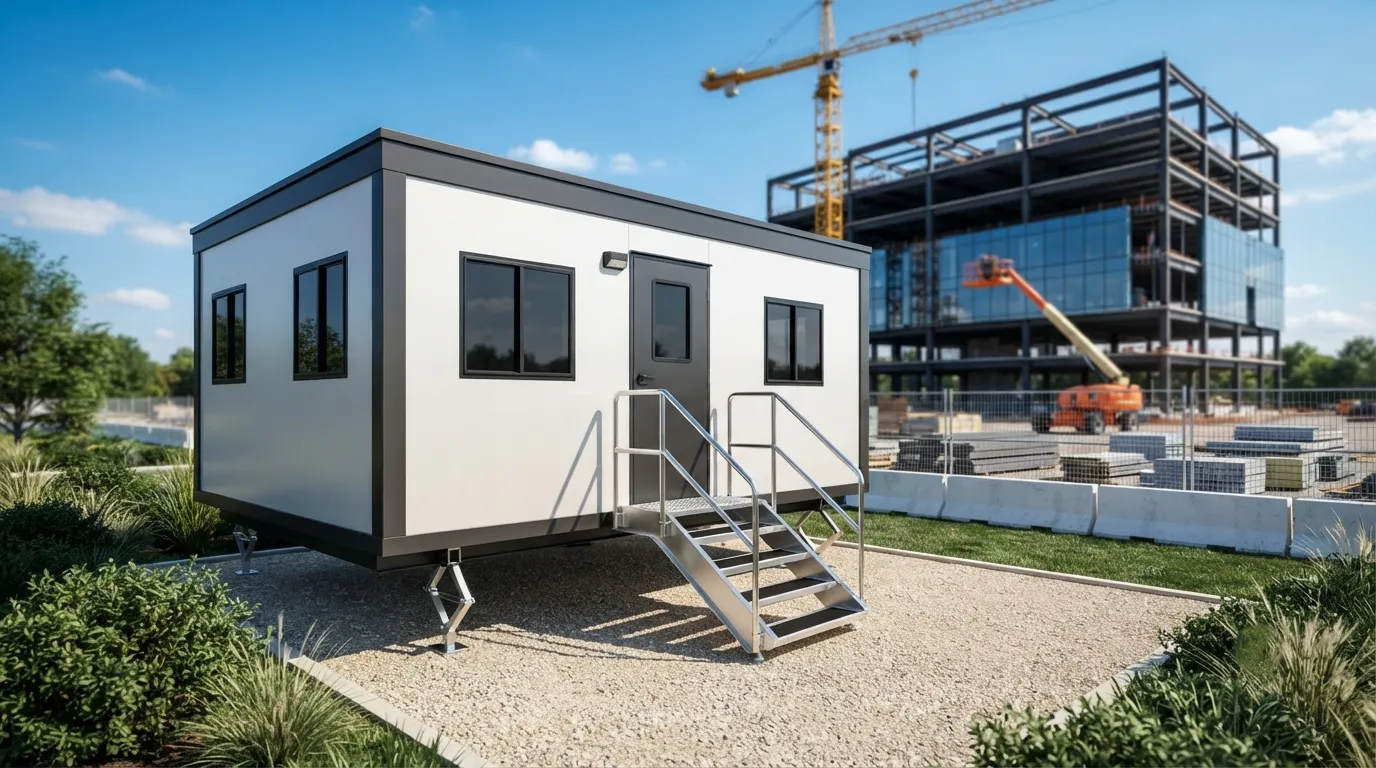
Handwashing is separate from toilets and easy to forget. 29 CFR 1910.141(d)(2) requires soap and towels or a hand-drying device at wash stations, and hand sanitizer alone does not satisfy that rule. If your crew works with paints, coatings, herbicides or insecticides, OSHA 1926.51(f)(1) requires washing facilities for that specific contaminant exposure, not general use. Add a handwashing station rental or portable sink rental to the order, and check handwashing station requirements if you are unsure which rule applies to your site. Also confirm potable water is on hand: OSHA 1926.51(a)(1) requires an adequate supply at every place of employment. Long jobs should plan servicing intervals up front rather than reacting later, covered on how often are porta potties cleaned. If the site also needs a temporary fence rental or a light tower rental, order those alongside restrooms so one delivery truck handles the load. Storage needs get added often too; see storage container rental for jobsite offices and tool lockup.
| unit | day | week | month |
|---|---|---|---|
| standard | 100-350 | 130-500 | 125-325 |
| ada | 200-400 | 120-240 | - |
| deluxe | 85-1200 | 150-290 | - |
Weekend rentals for standard units run 125 to 400 dollars, useful for a Saturday event that does not need a full week. For placement rules specific to your address, porta potty permit requirements and dumpster permit requirements are both worth checking before delivery, since San Mateo placement in the public right of way needs confirming with the city and no rule is named here.
How far ahead should I book?
Book standard units at least a few days ahead for small jobs, longer for weekend events with tight delivery windows. San Mateo sites near San Bruno, 10.2 miles northwest, sometimes share routes, which can help availability. Peak wedding and festival season fills fastest, so wedding restroom rental bookings should go in early.
Do I need a permit for a porta potty on the street?
Placement in the public right of way needs confirming with the city, and San Mateo Porta Pros can help you figure out what applies. See porta potty permit requirements for the general framework, since exact rules vary by exact location.
What is the difference between a standard and deluxe unit?
A standard unit has a 60 to 70 gallon holding tank and no plumbing hookup. A deluxe unit flushes and often includes a sink. Compare both on deluxe flushable porta potty before ordering for an event with higher guest comfort expectations.
How often does a unit get serviced?
ANSI/PSAI Z4.3 sets the baseline at once weekly for up to 10 users over 40 hours. Busier sites need more frequent visits. Details on servicing intervals are on how often are porta potties cleaned.
Can I rent a handwashing station without a toilet?
Yes. Many jobsites near Daly City, 15.0 miles northwest, add a standalone hand sanitizer station rental or plumbed sink for food service or paint crews governed by 1926.51(f)(1).
Next step
Get a delivery date
Tell us the address, the dates and the headcount. We size the order and confirm the route.